
Stained in Cyan: The Color of Empathy and Monsters
Guillermo del Toro’s films are less like movies and more like living canvases. I have always felt that his work is a testament to the power of intentionality, where every frame serves as a space for his soul to breathe. To him, being an artist isn't about chasing a perfect ideal; it’s about finding a profound, radical beauty in the strange and the humanity in the marginalized. He defines the artist as a witness to those who are often ignored—someone who uses the screen to give a presence to the invisible and a heartbeat to the "other."
The Secret Language of Color
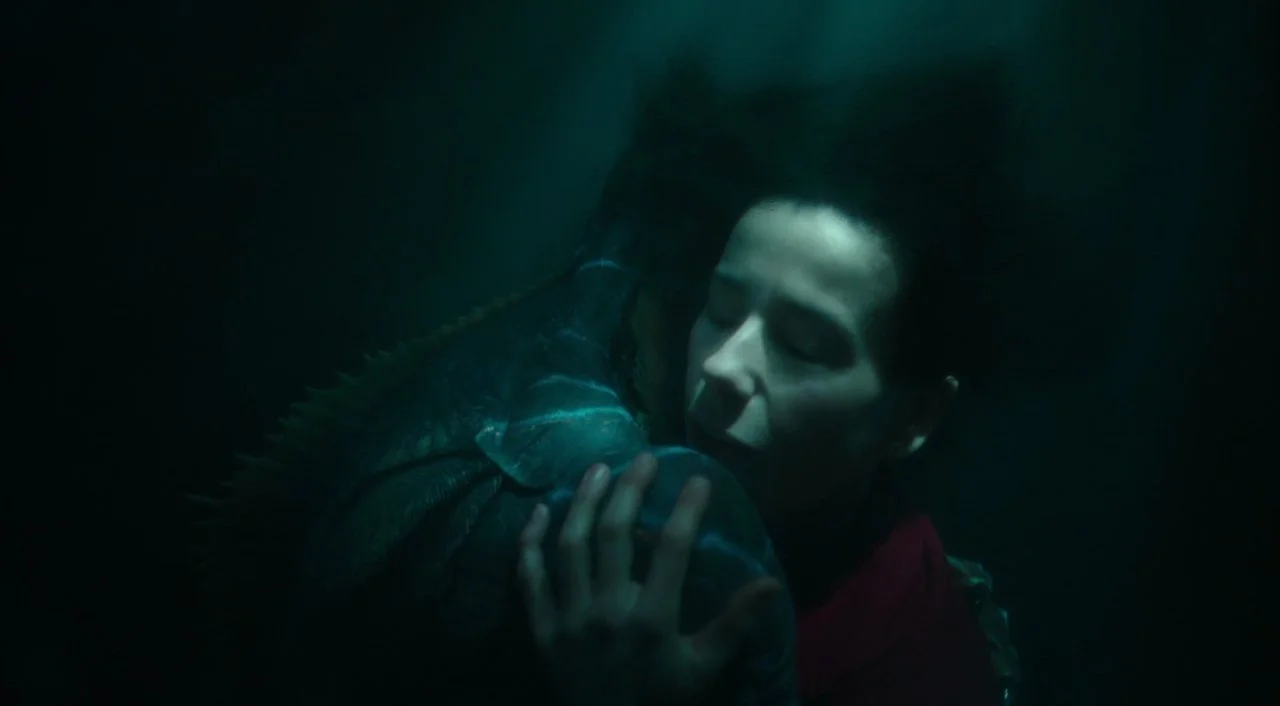
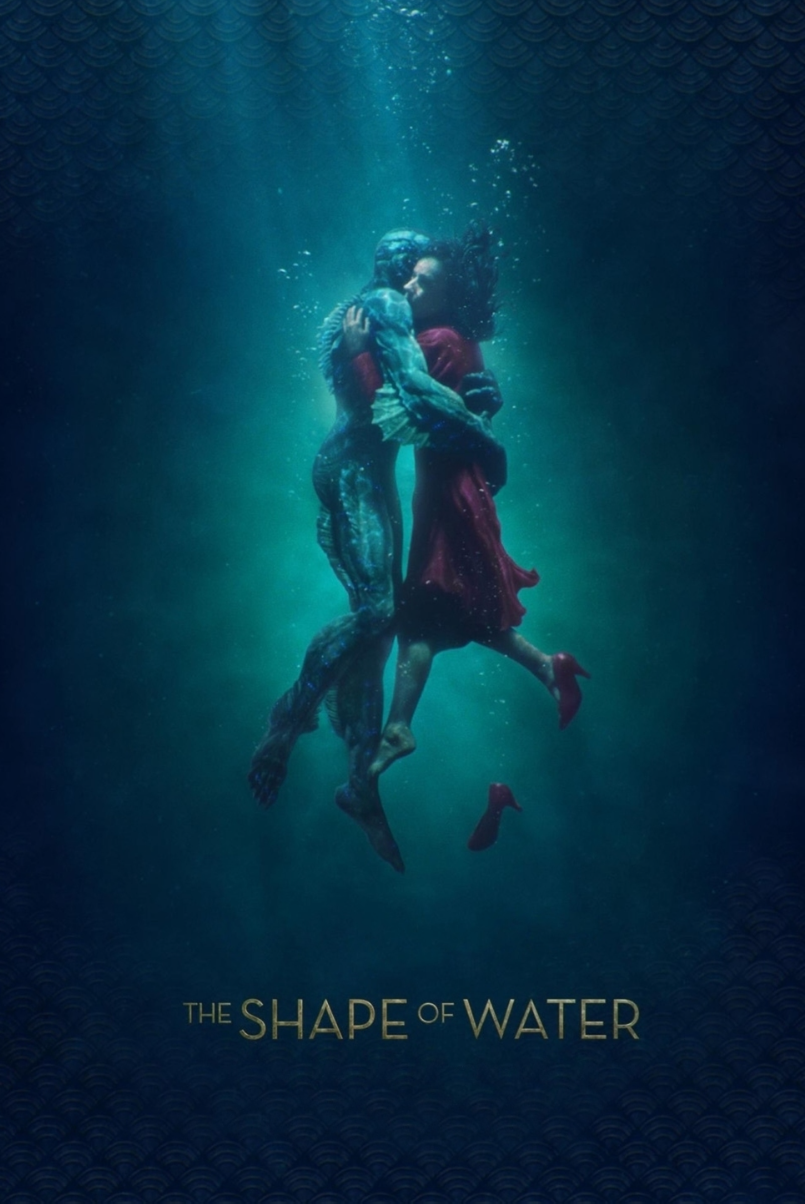
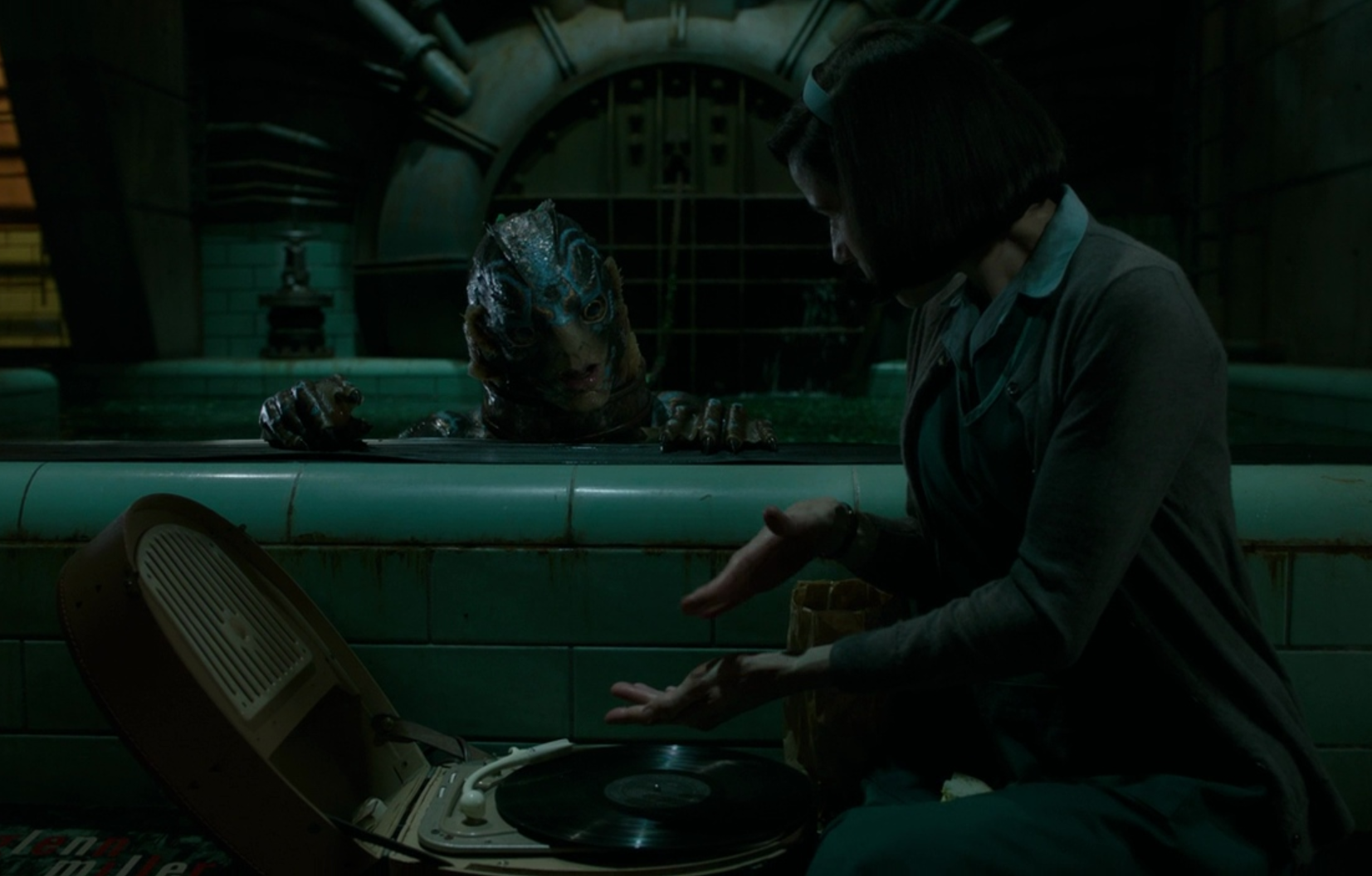
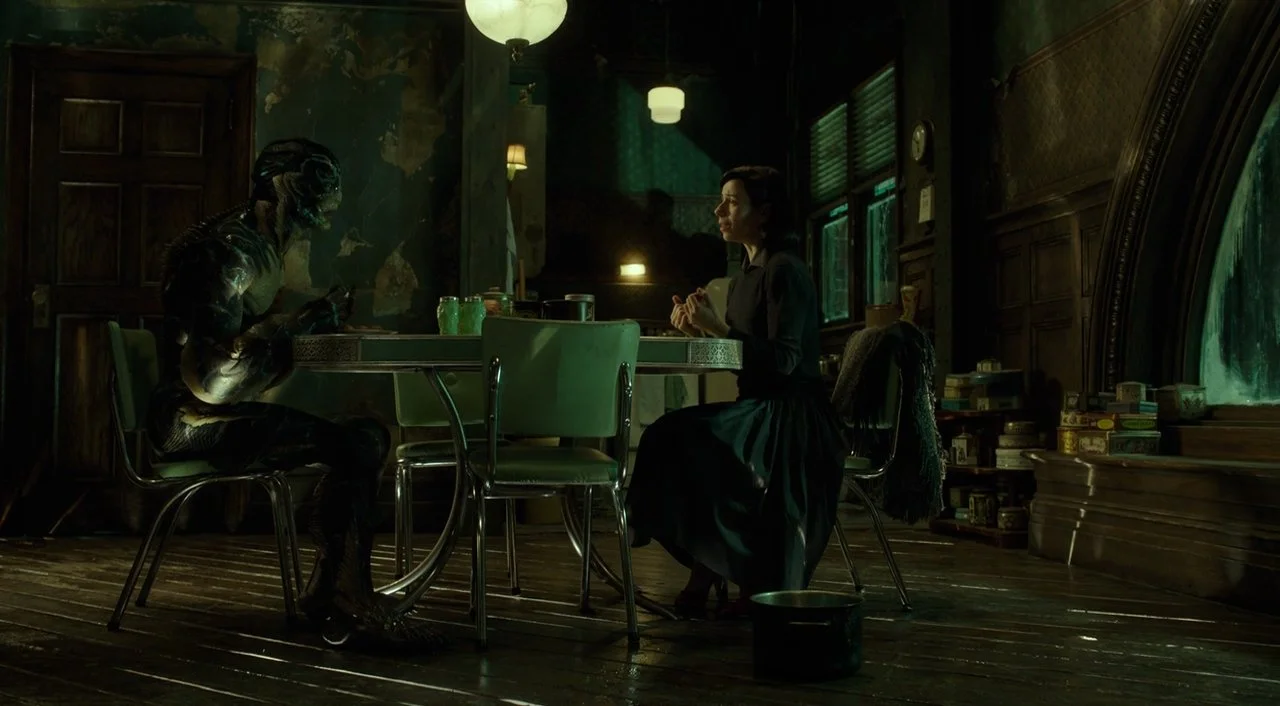
When I look at the frames of The Shape of Water, I don’t just see a color palette; I feel a temperature. Del Toro doesn't just show us a story; he submerges us in it, using color as a silent narrator for our emotions. Elisa’s world is a sanctuary of blue and cyan, designed with "aged" textures to make her home feel as though it were perpetually underwater. This blue is her element—a place where sound is muffled but feeling is amplified, a fluid space where her love transcends physical barriers and has no limits.
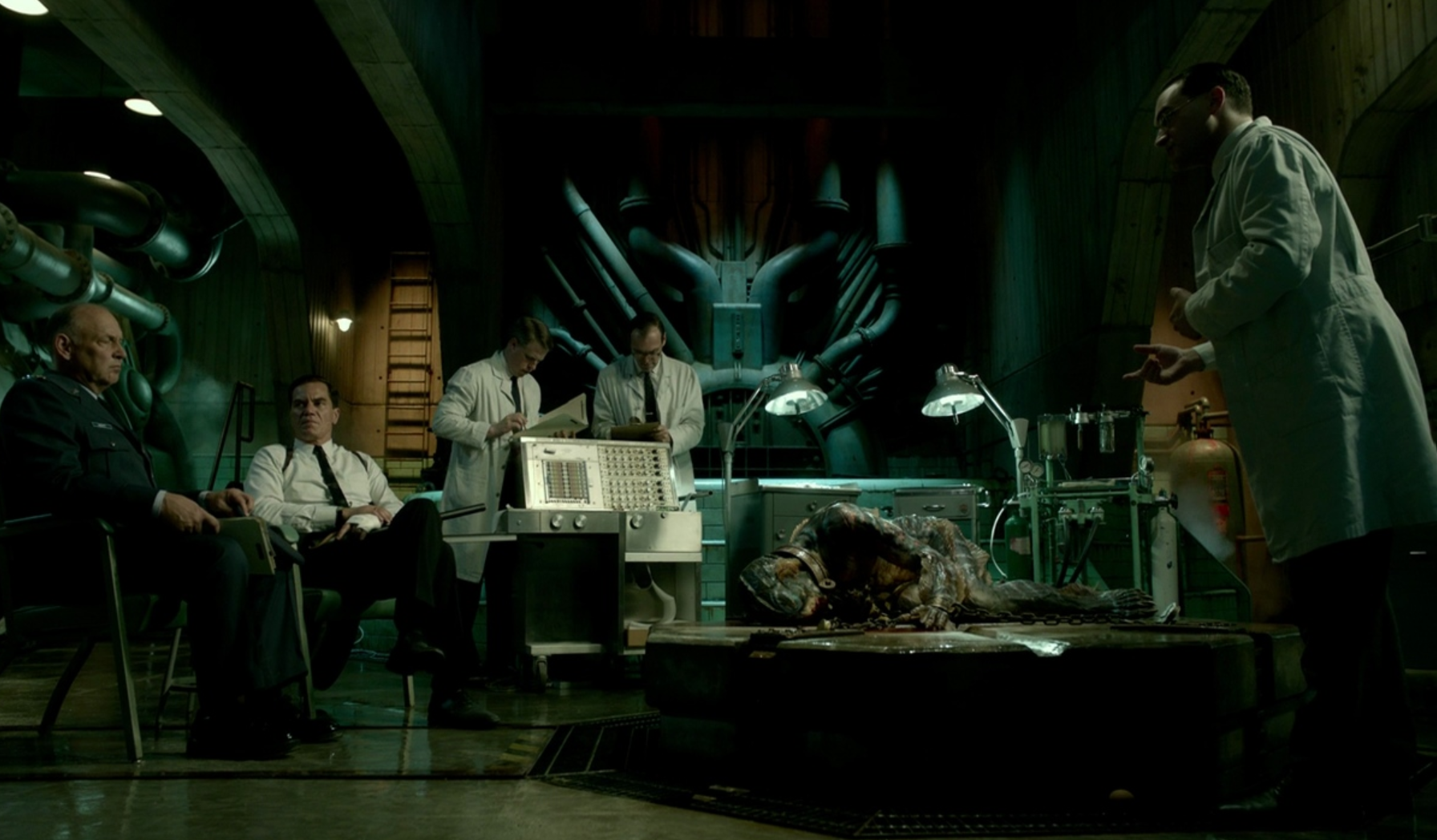
But this romantic, almost womb-like blue needs something to fight against. That’s where the green enters—not a natural green, but a sickly, cynical tone representing a sterile and cold future. You see it invading everything that lacks empathy: the laboratory, the antagonist's Cadillac, and artificial gelatin. It is the color of a rigid world trying to contain the fluidity of the soul. And then, there is the Red. Del Toro guards this color like a precious secret, reserving it exclusively for life, the pulse of blood, and the magic of cinema. Elisa barely wears it until her connection with the creature is sealed, turning her from someone just surviving in a blue world to someone truly living in vibrant color.
Sangre del Toro: The Creative Fire
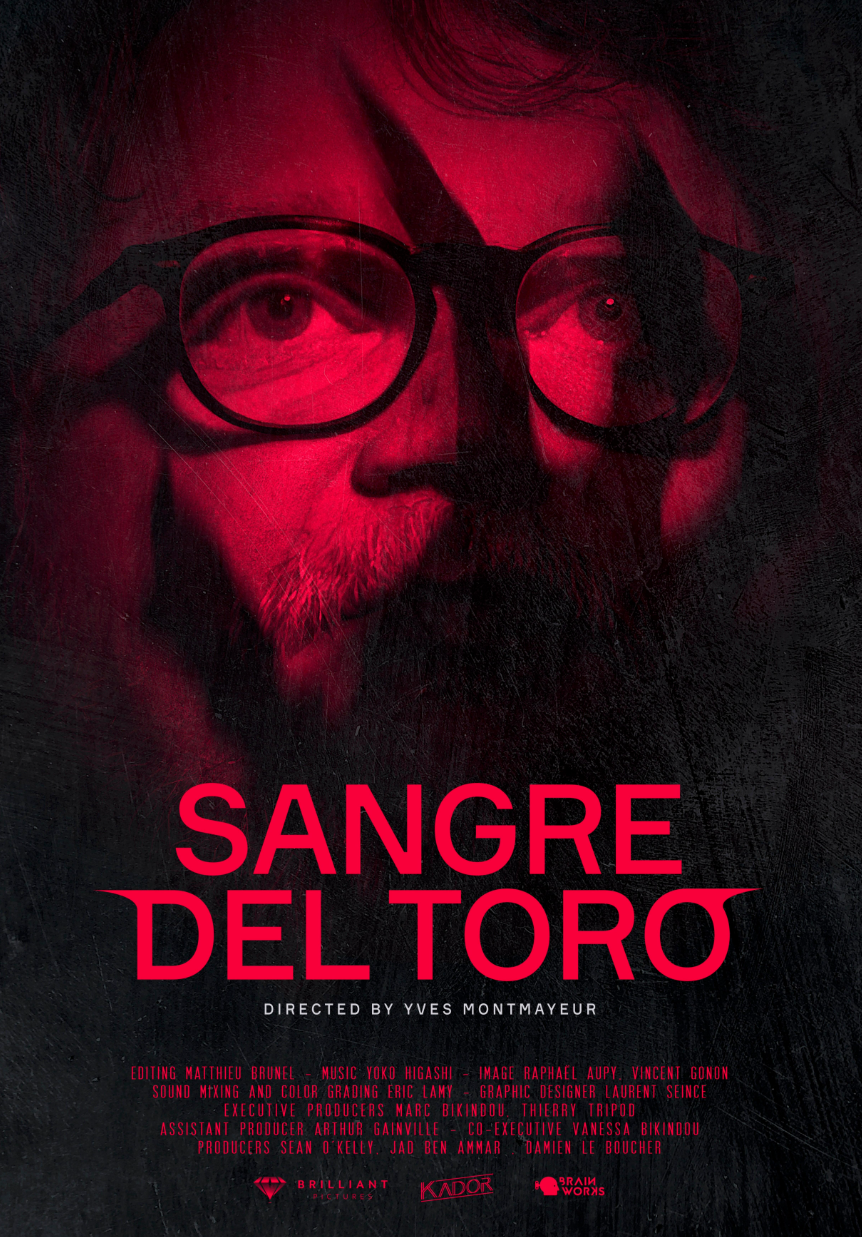
The documentary Sangre del Toro is essential viewing because it reveals the true root of his motivation as a creator. He shatters the myth of the "suffering artist" stuck in a vacuum with a concept he calls "Creative Promiscuity." As he brilliantly puts it:
"I believe that promiscuity is the key to creativity. You should be working on three or four things at the same time. When you get stuck on one, you move to the next, and while you are working on the second one, your subconscious is solving the first."
This philosophy of never stagnating—of allowing ideas to "cross-pollinate" while giving them space to breathe—is where his answers truly lie. Just like the water in his films, his creativity has no fixed shape; it flows, adapts, and proves that motivation is not a straight line, but a beautiful overlap of everything we love.
Fluid Hearts: Love is Like Water
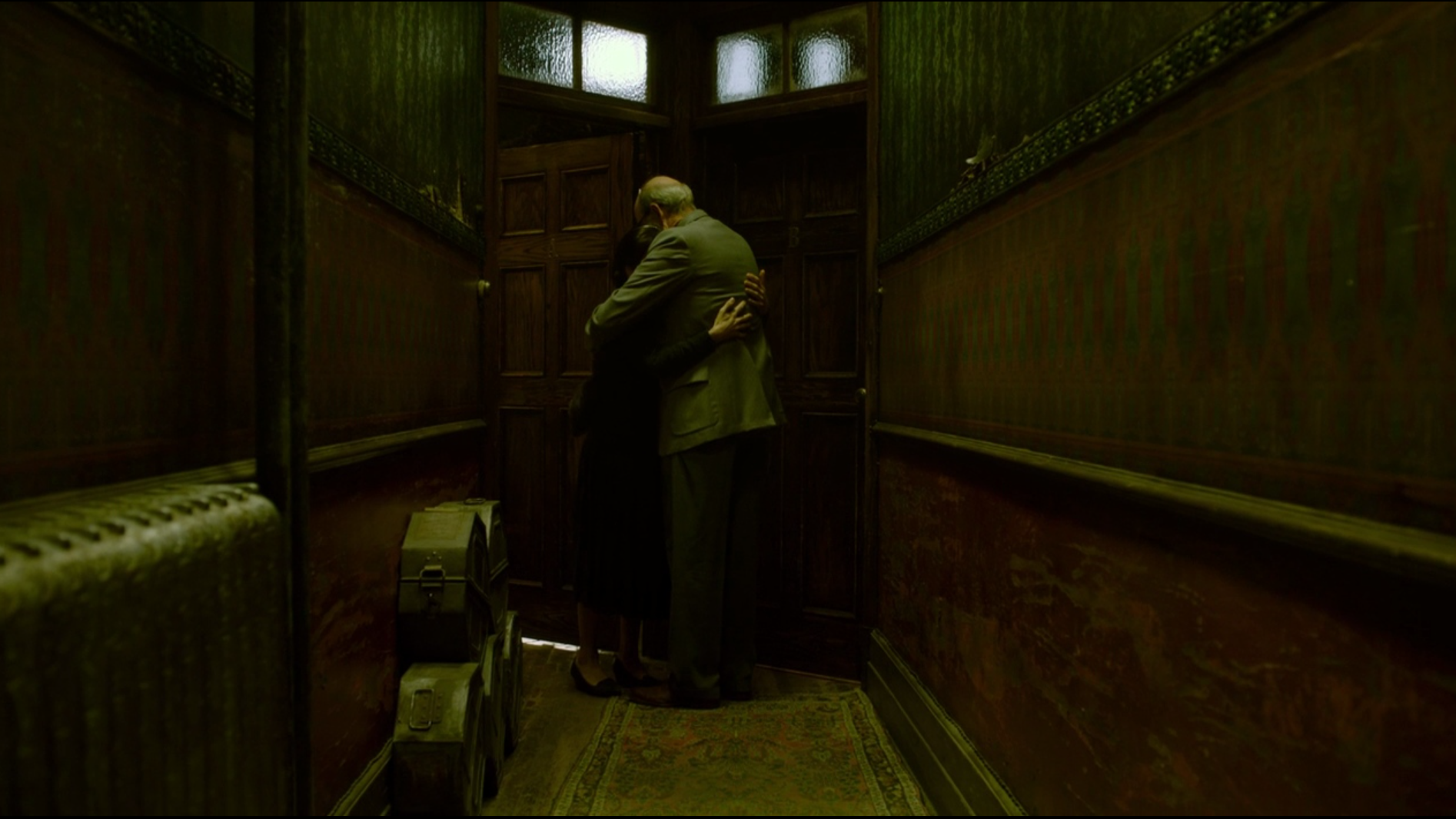
Ultimately, this story is a rebellion against a rigid and oppressive system. By elevating voices that are often ignored into the role of true heroes, Del Toro explores the deep themes of loneliness and the radical acceptance of the "other". The central message is that "Love is like water"—it has no predetermined shape, filling whatever vessel it touches and proving that true human connection transcends words and physical shells. Through this film, we learn that we defeat hatred not with force, but with the quiet power of recognition—the simple, revolutionary act of refusing to let labels define the infinite depth of a person’s spirit.