
The Blue of Cadaqués
In summer, Cadaqués wasn’t just the beach and a “vacation spot.” It was something else: an experience of color.
I was surprised by how blue shows up everywhere—yes, in the water, but also in the doors, the windows, and the small details around town that gently guide your eye without you even noticing. It’s a blue that doesn’t compete—it envelops.
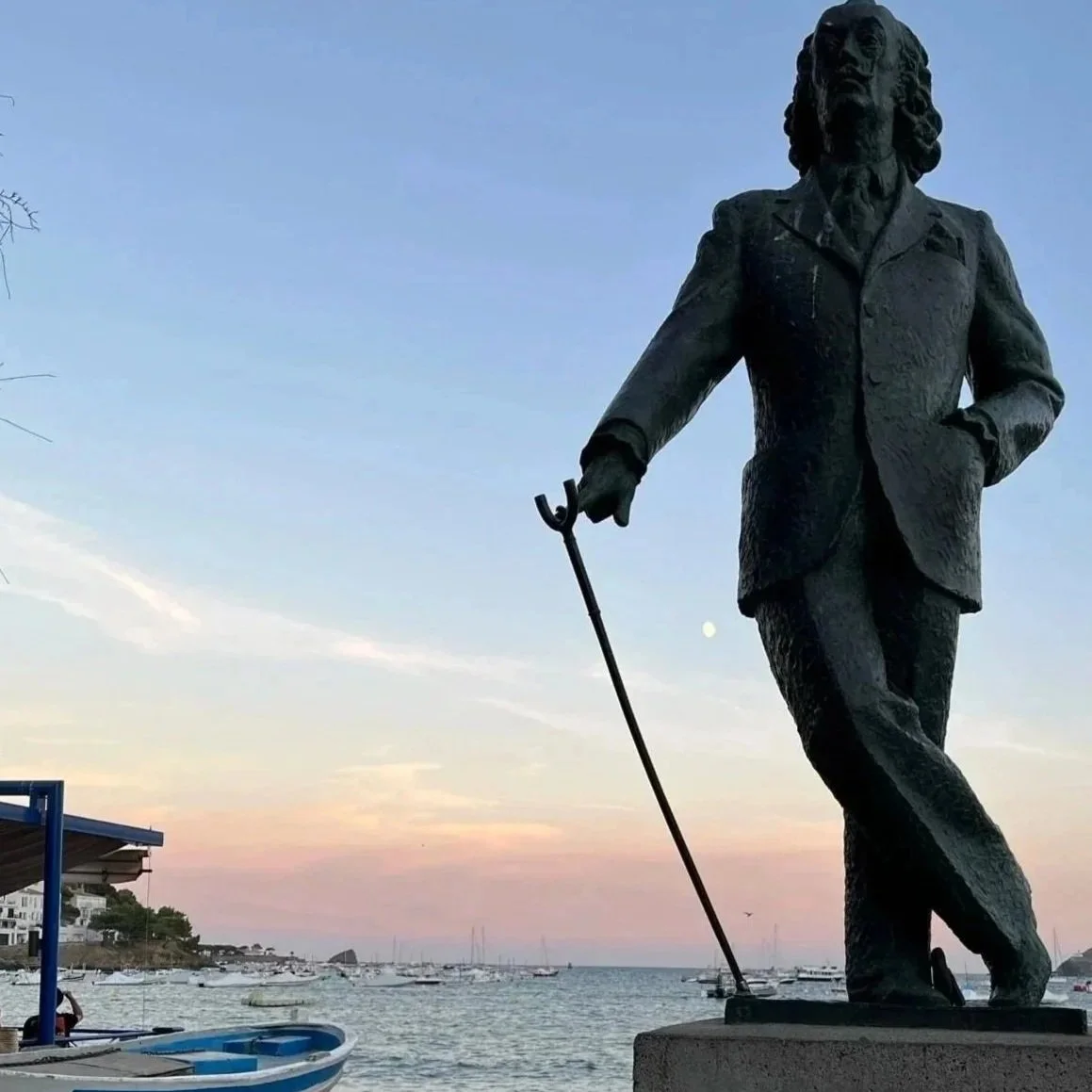
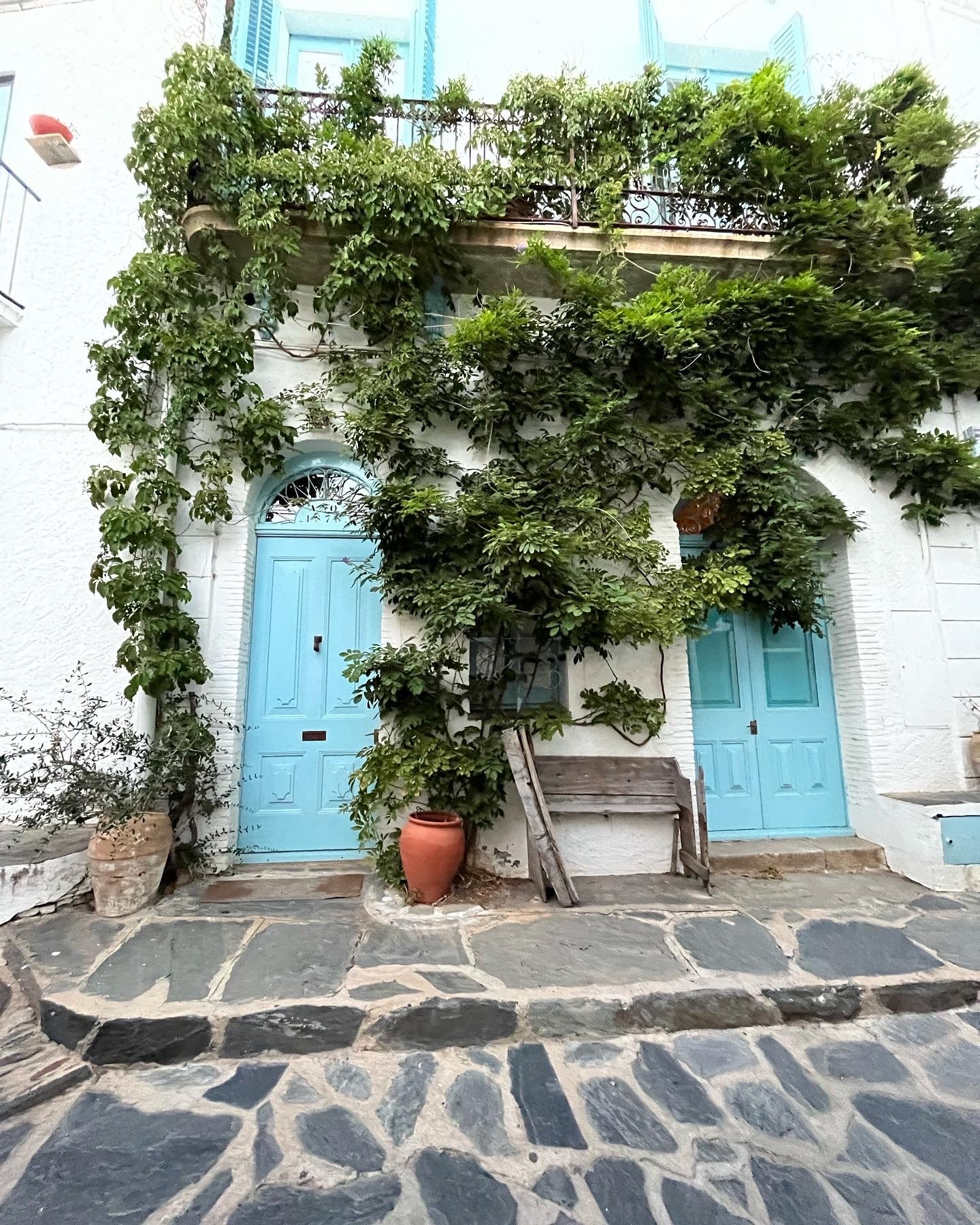
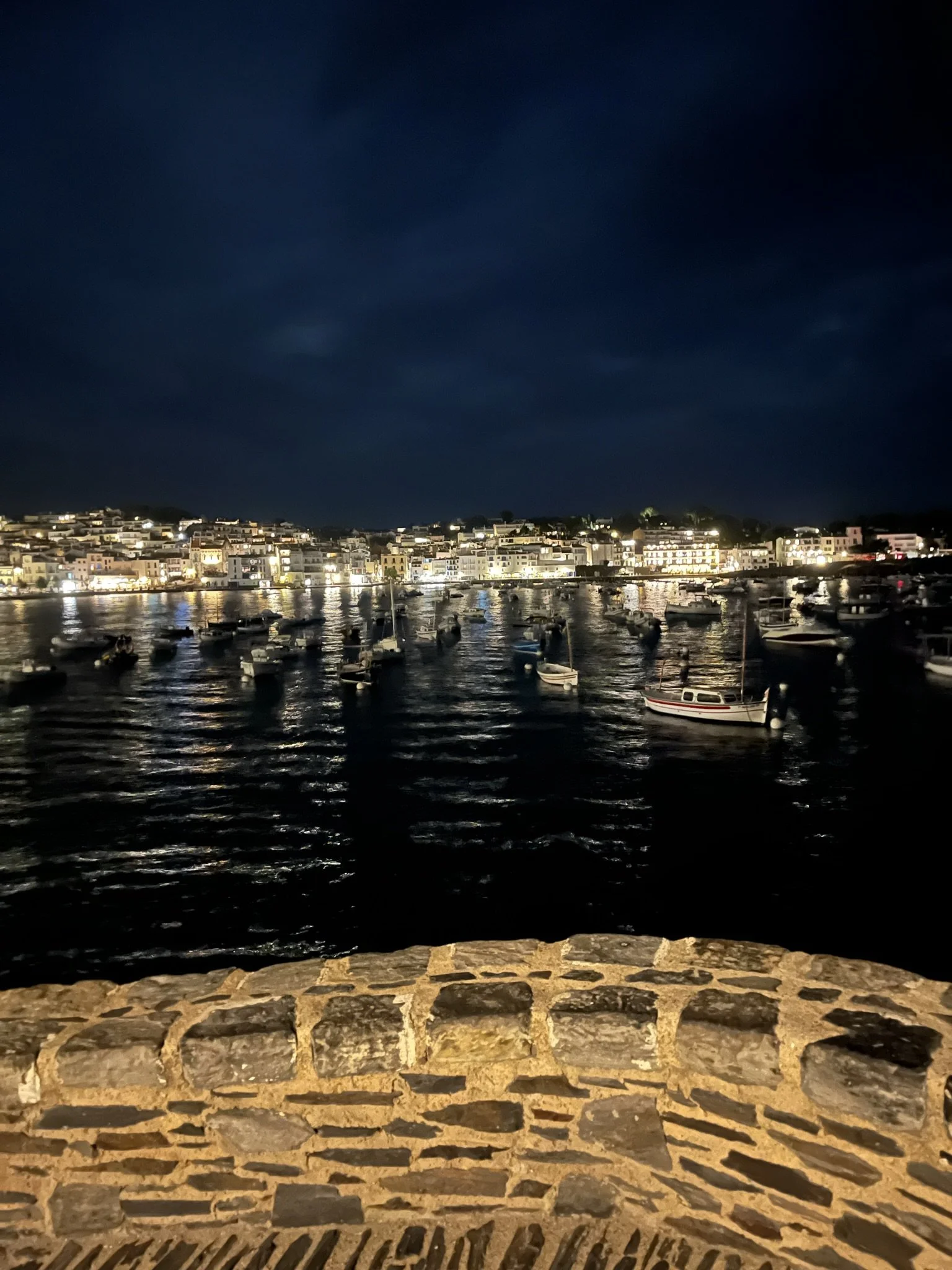
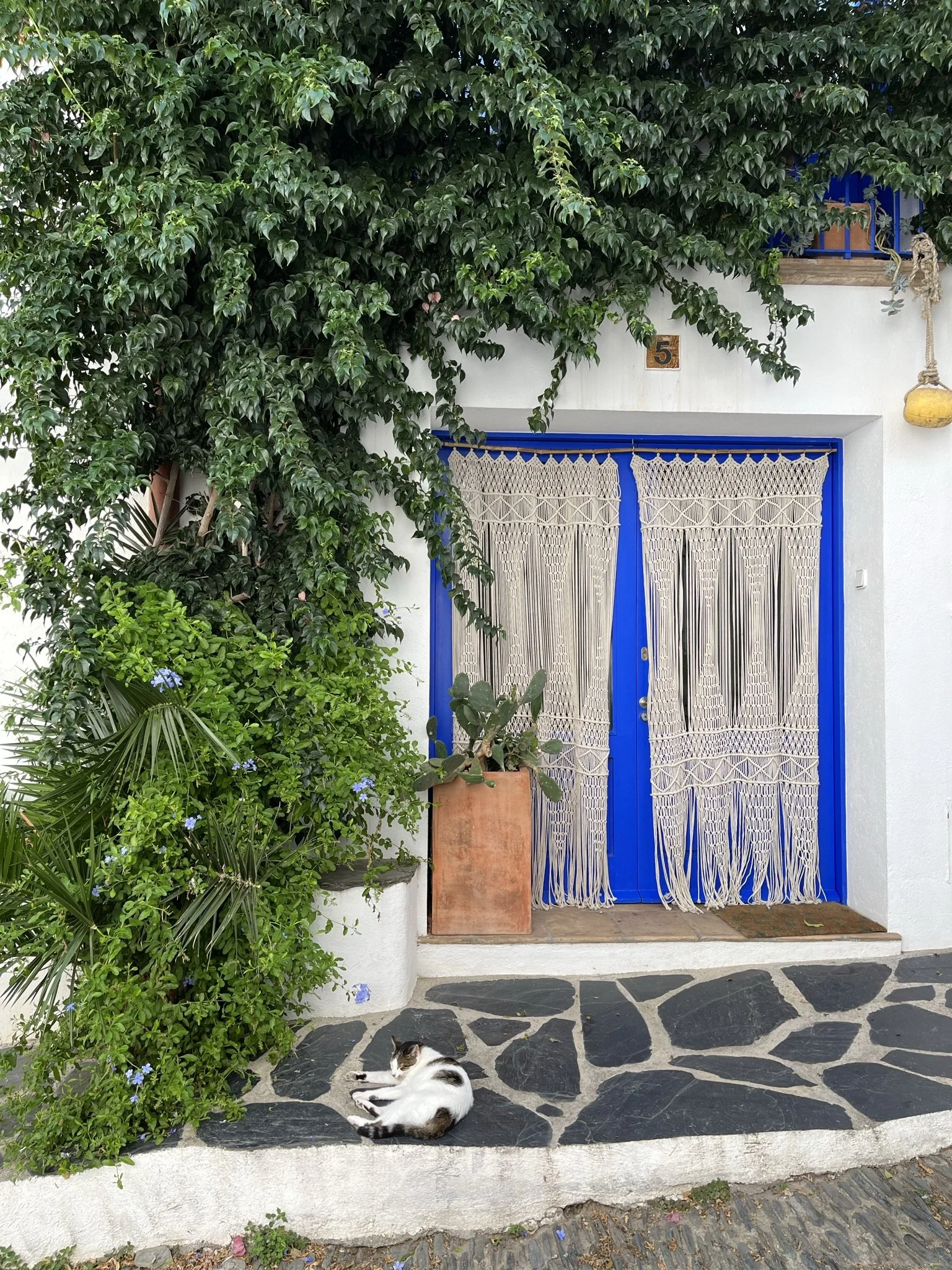
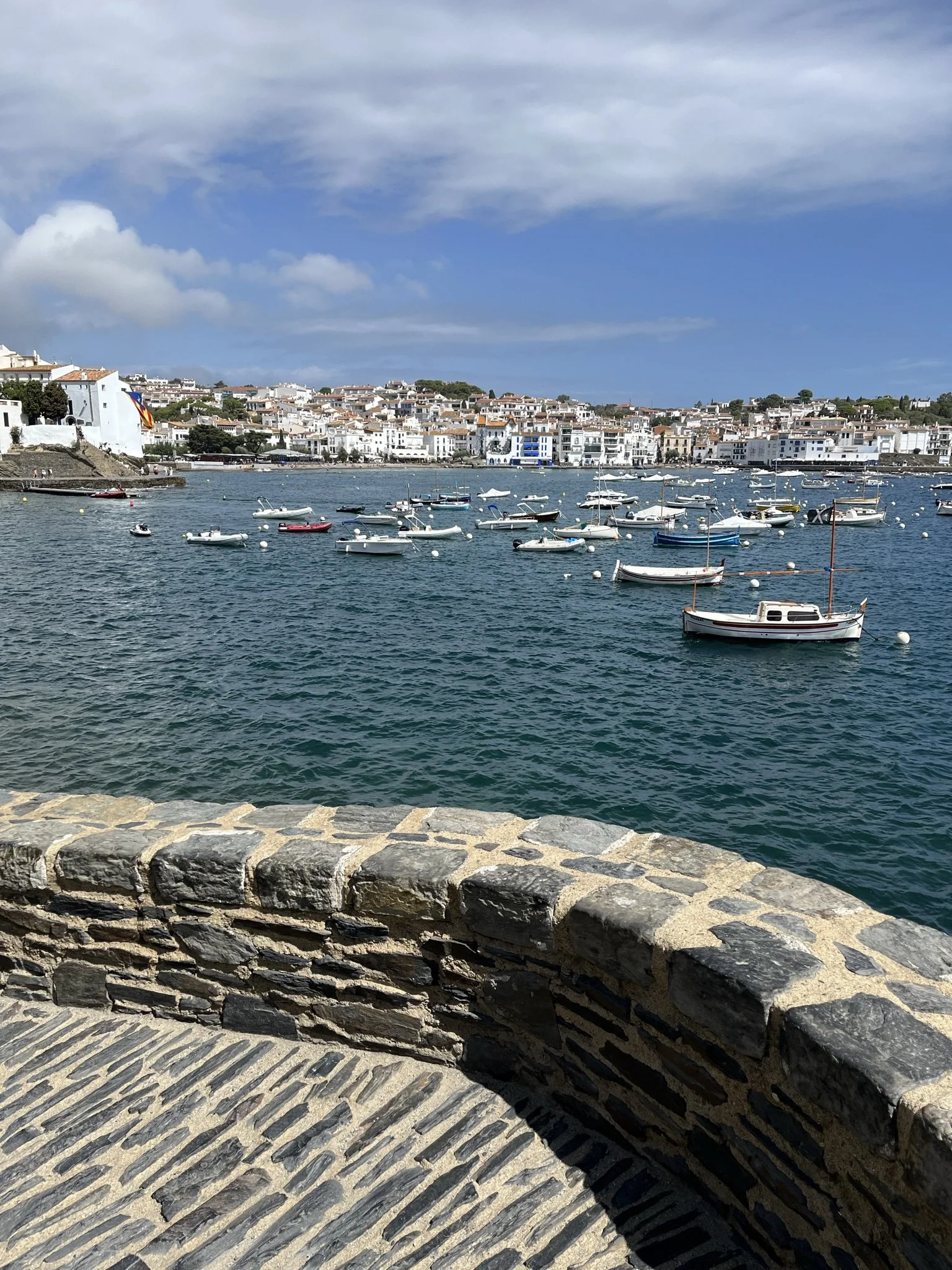
In these photos, blue shows up in every version of itself—soft and weathered on the pale doors wrapped in green, clean and electric in the shutters and that strip of sea crowded with little boats, and then deep, almost-black once night falls over the harbor. What I love is how Cadaqués repeats the same palette without ever repeating the same feeling: white that reflects, stone that grounds, and blue that ties everything together. Here, color isn’t decoration—it’s direction. You walk, and blue quietly leads you—toward the water, toward the cool shade, toward the next corner that makes you stop and look.
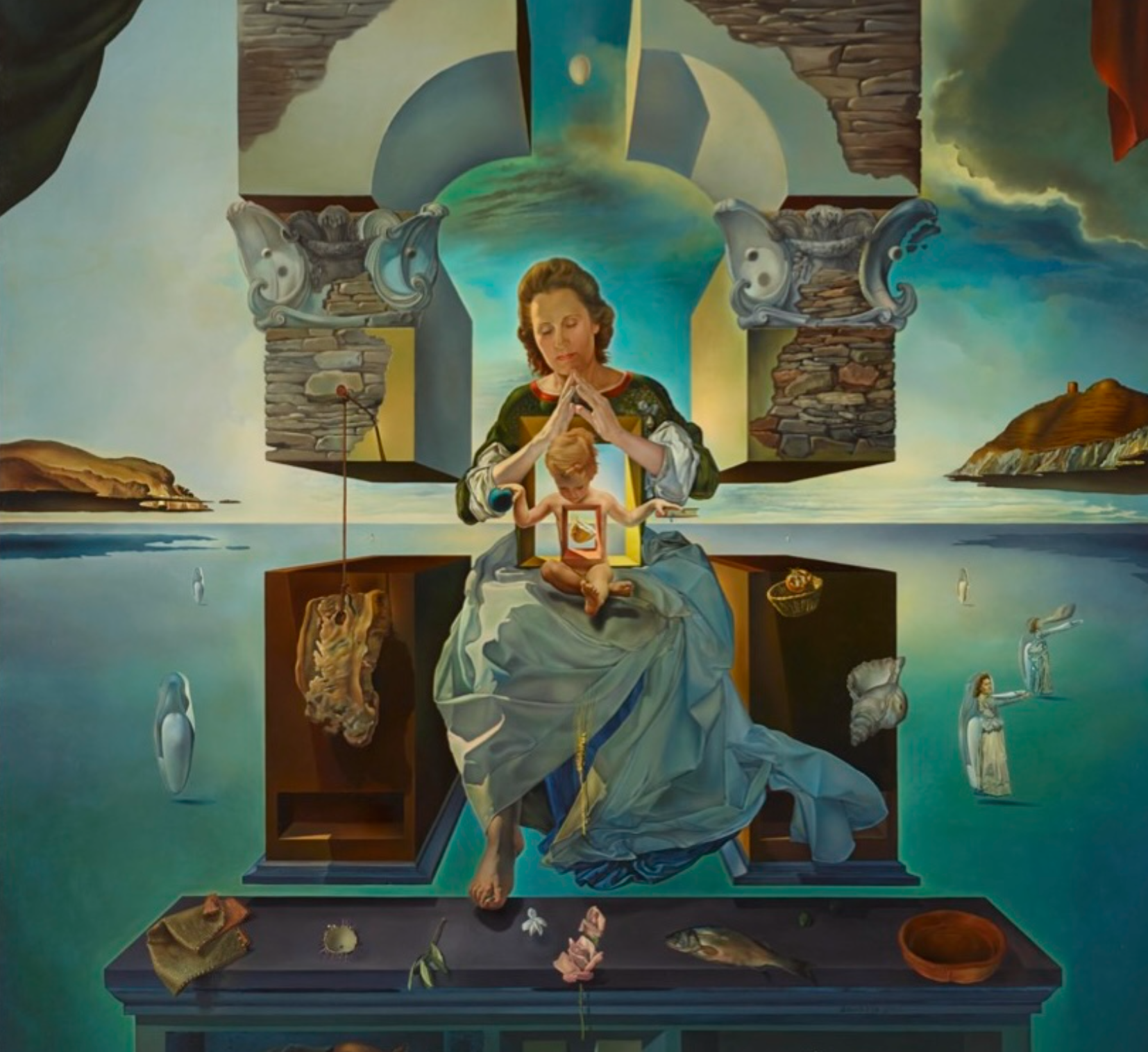
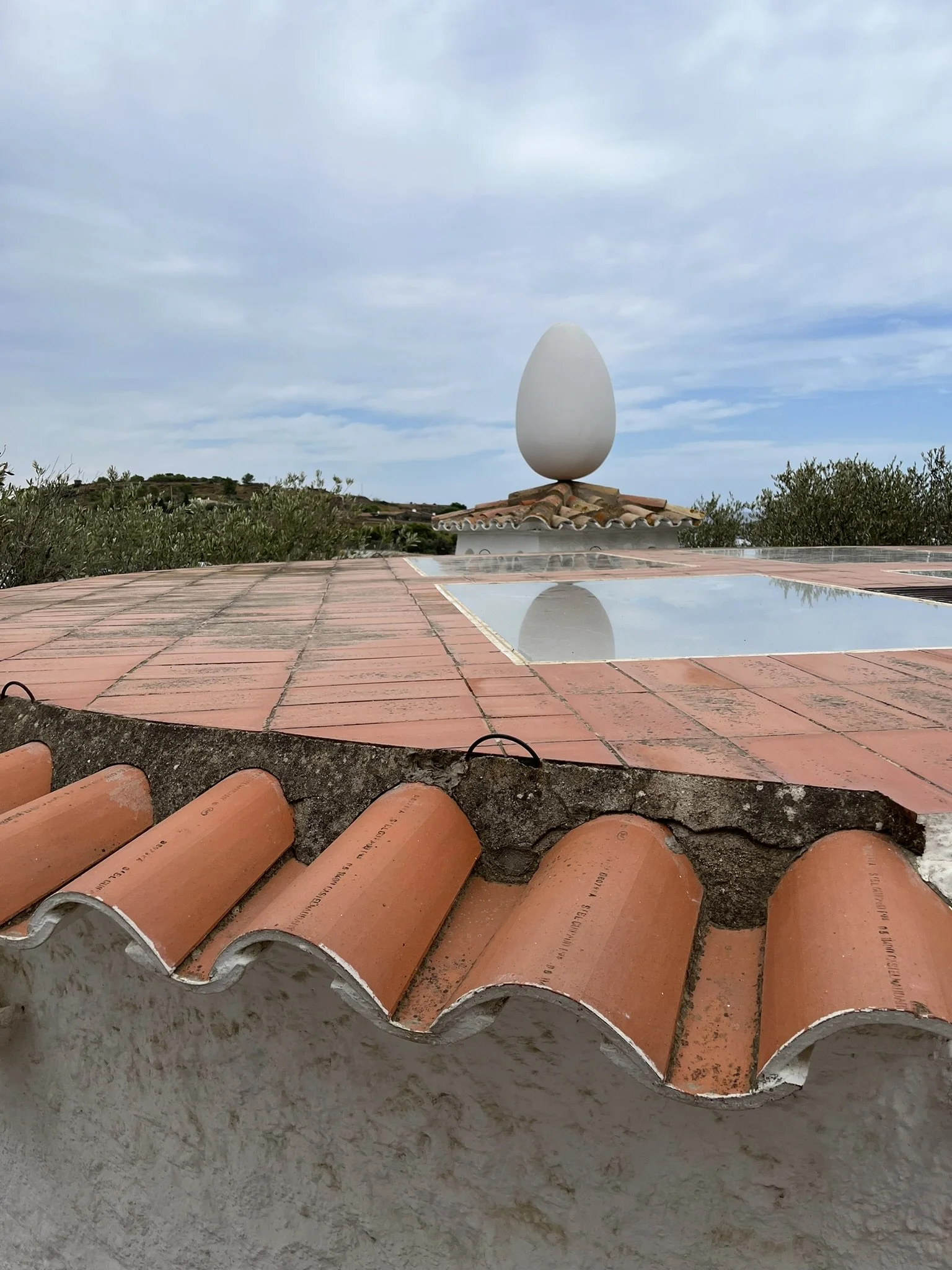
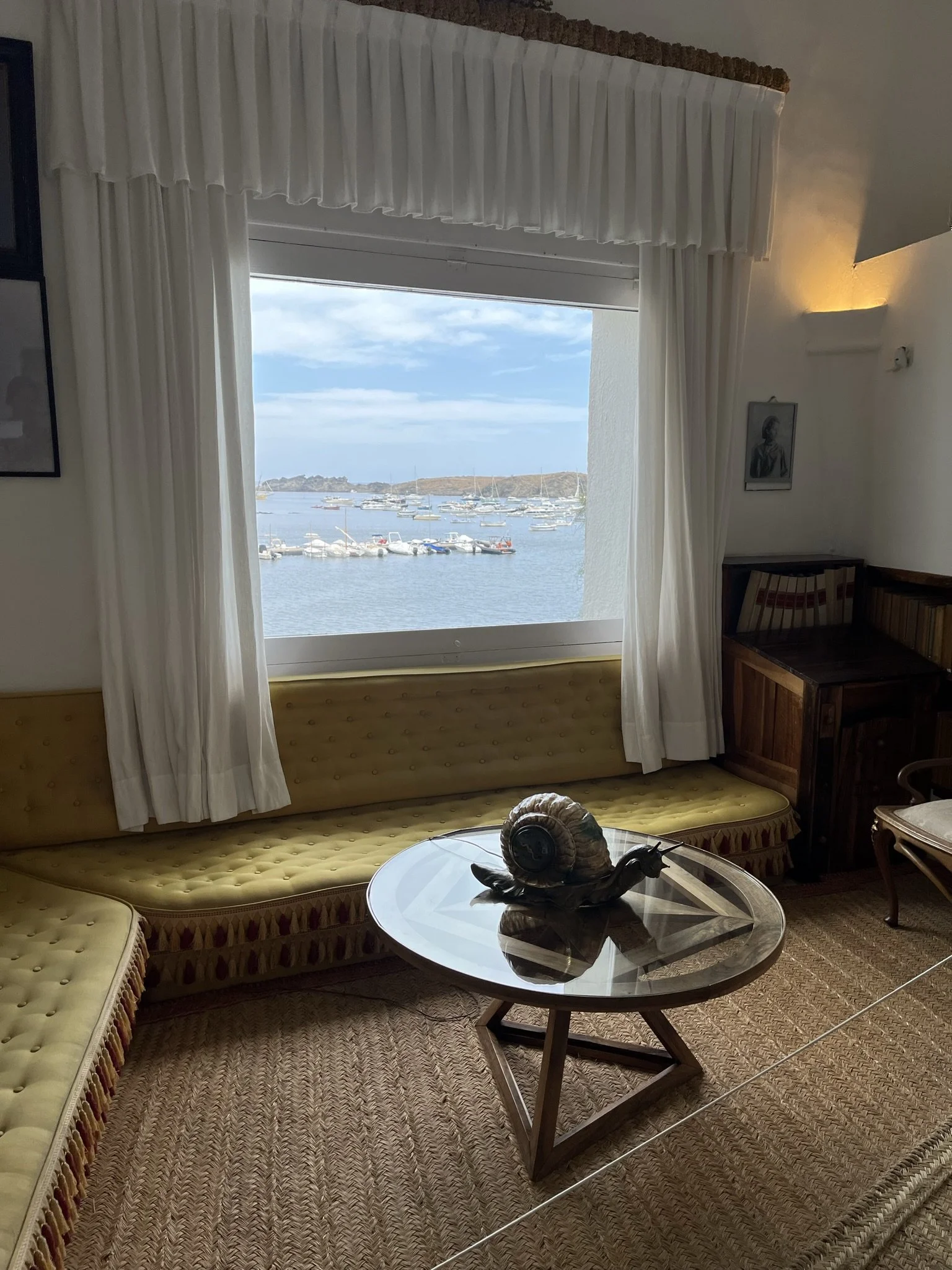
And then came the moment that tied everything together: visiting Dalí’s home. The Salvador Dalí House Museum—Casa-Museu Salvador Dalí / Casa-Museo Salvador Dalí—is in Portlligat, a small seaside corner of Cadaqués, in Catalonia, Spain. Being there doesn’t feel like walking into a traditional museum; it feels like stepping into a way of seeing.
Suddenly, the blue of the town and the sea stops being just scenery and becomes a language. And that’s when something clicked for me: in The Madonna of Portlligat (1949), the blue Dalí paints is the same blue he had in front of him every day—because his house opens directly onto the water. I love this painting because it actually makes you feel like you’re there: in Portlligat, surrounded by that still light and quiet calm. The blue isn’t just a backdrop—it’s atmosphere, it’s presence. It’s the same blue that follows you as you walk through Cadaqués: light, silence, and that feeling of always being close to the sea.
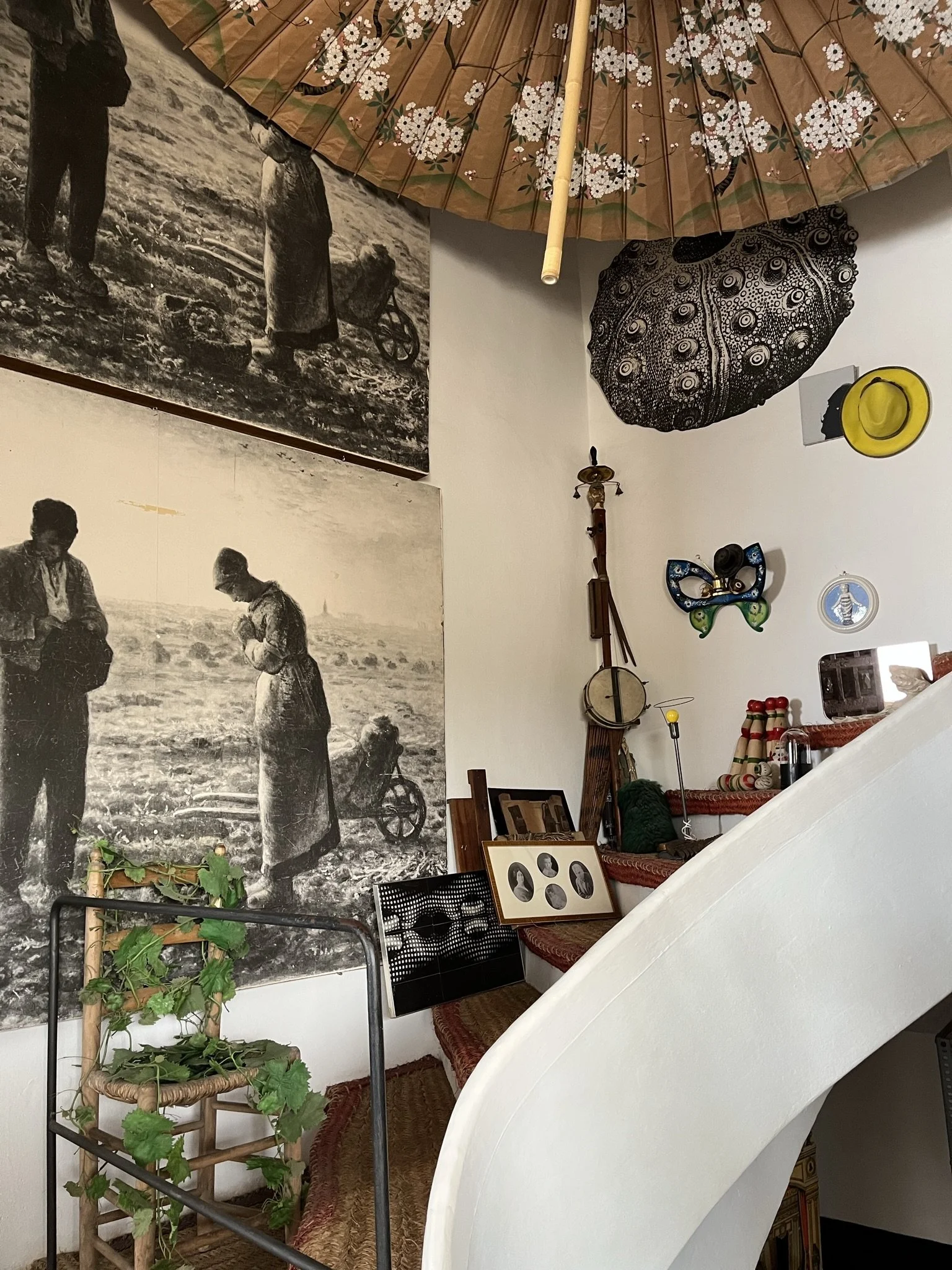
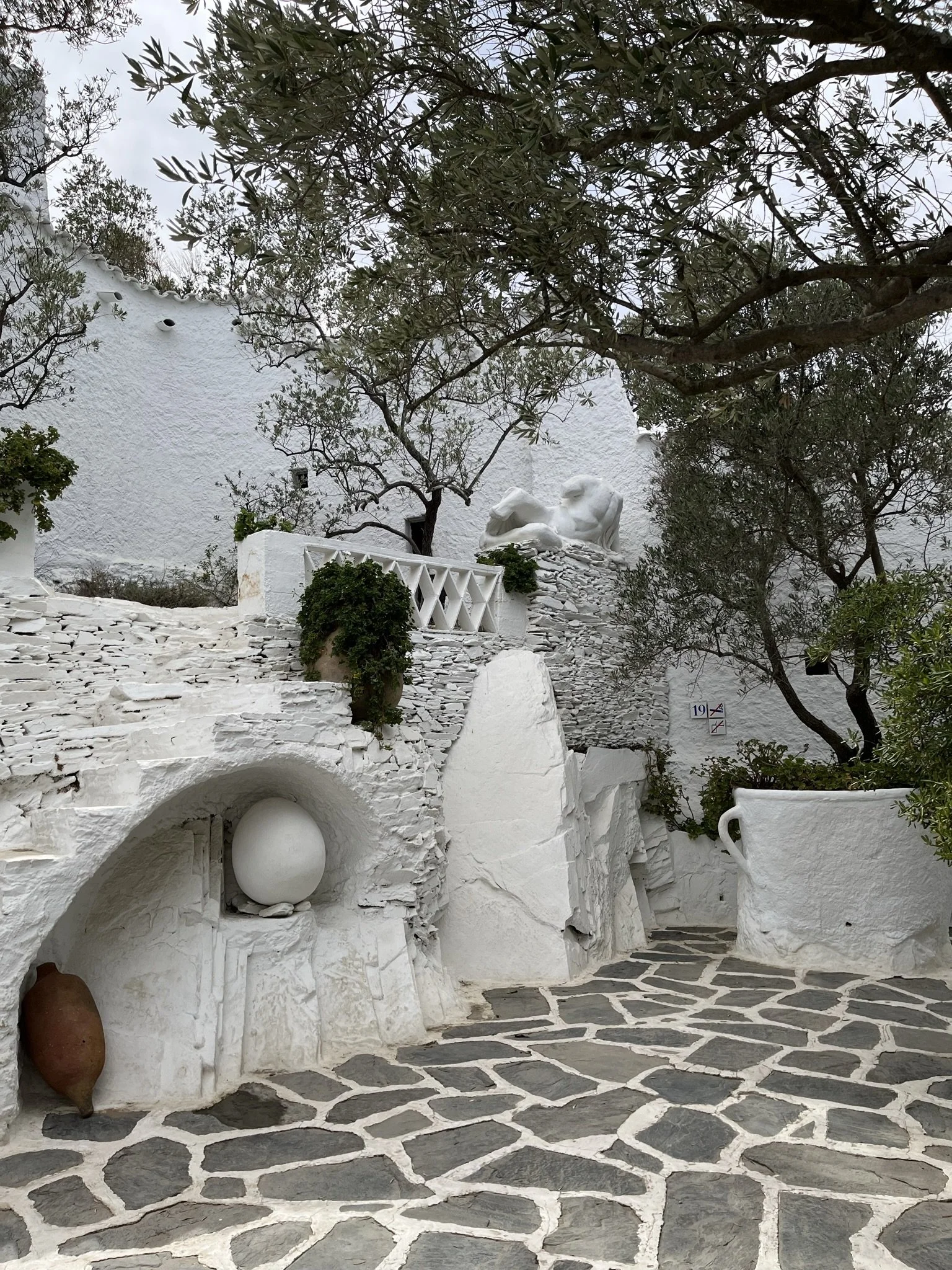
And that’s how my vacations always end up feeling—never just a break, but a return to inspiration. I travel to swim and wander, yes, but also to look more closely: at color, at light, at the way a place shapes the art that comes from it. I love coming home with my eyes full—new references, new moods, new details I didn’t know I needed. And then, back in my own space, the best part happens: that quiet urgency to create.