
Cabinet of Curiosities: Objects That Create New Worlds
I have always been fascinated by the way objects can transform a space.
A shell, an antique piece, a painting, a sculpture, or something discovered during a journey may seem completely independent at first. Yet when they are placed together, they begin to connect, share an atmosphere, and tell a new story.
This idea lies at the heart of the historic Cabinets of Curiosities, also known as Wunderkammern.
Long before modern museums existed, these cabinets brought together rare, surprising, and difficult-to-classify objects. They could take the form of entire rooms, glass cases, or pieces of furniture filled with objects from nature, art, science, and distant places.
More than collections, they were small universes.
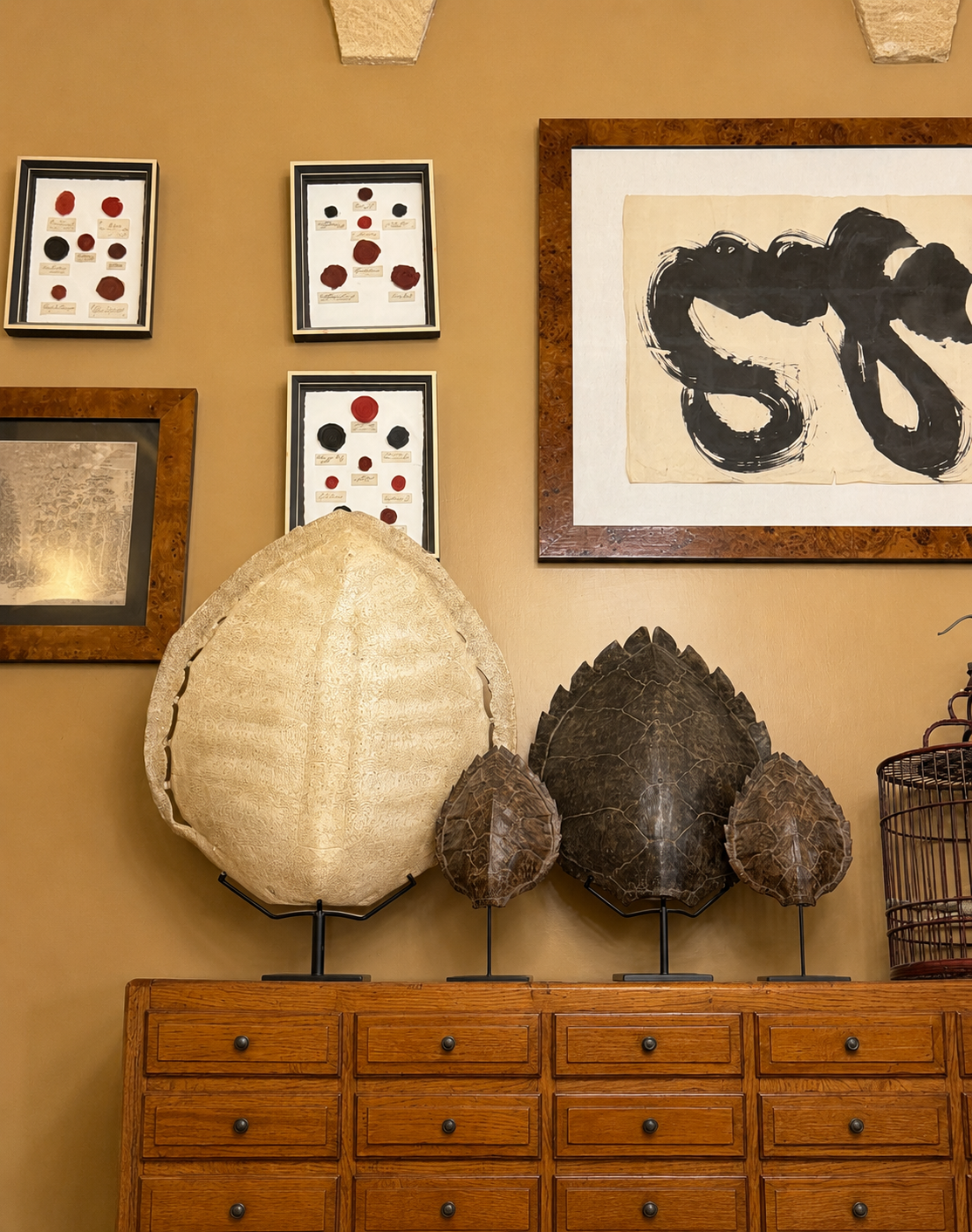
The Beginning of Cabinets of Curiosities
Cabinets of curiosities began to develop in Europe during the Renaissance and became especially popular throughout the sixteenth and seventeenth centuries.
In Italy, there were private rooms known as studioli, spaces dedicated to study, contemplation, and the preservation of special objects. In other parts of Europe, these collections became known as Wunderkammern, a German term meaning “chambers of wonders.”
These spaces could contain fossils, minerals, shells, coral, maps, scientific instruments, paintings, jewelry, sculptures, relics, and objects brought from distant territories.
Everything could coexist within the same room.
At that time, the boundaries between art, science, and nature were not as rigid as they are today. A stone could be studied as a scientific discovery while also being admired for its beauty. A shell could become a sculpture. An instrument could be functional and, at the same time, an extraordinary work of craftsmanship.
What mattered most was the object’s ability to surprise.
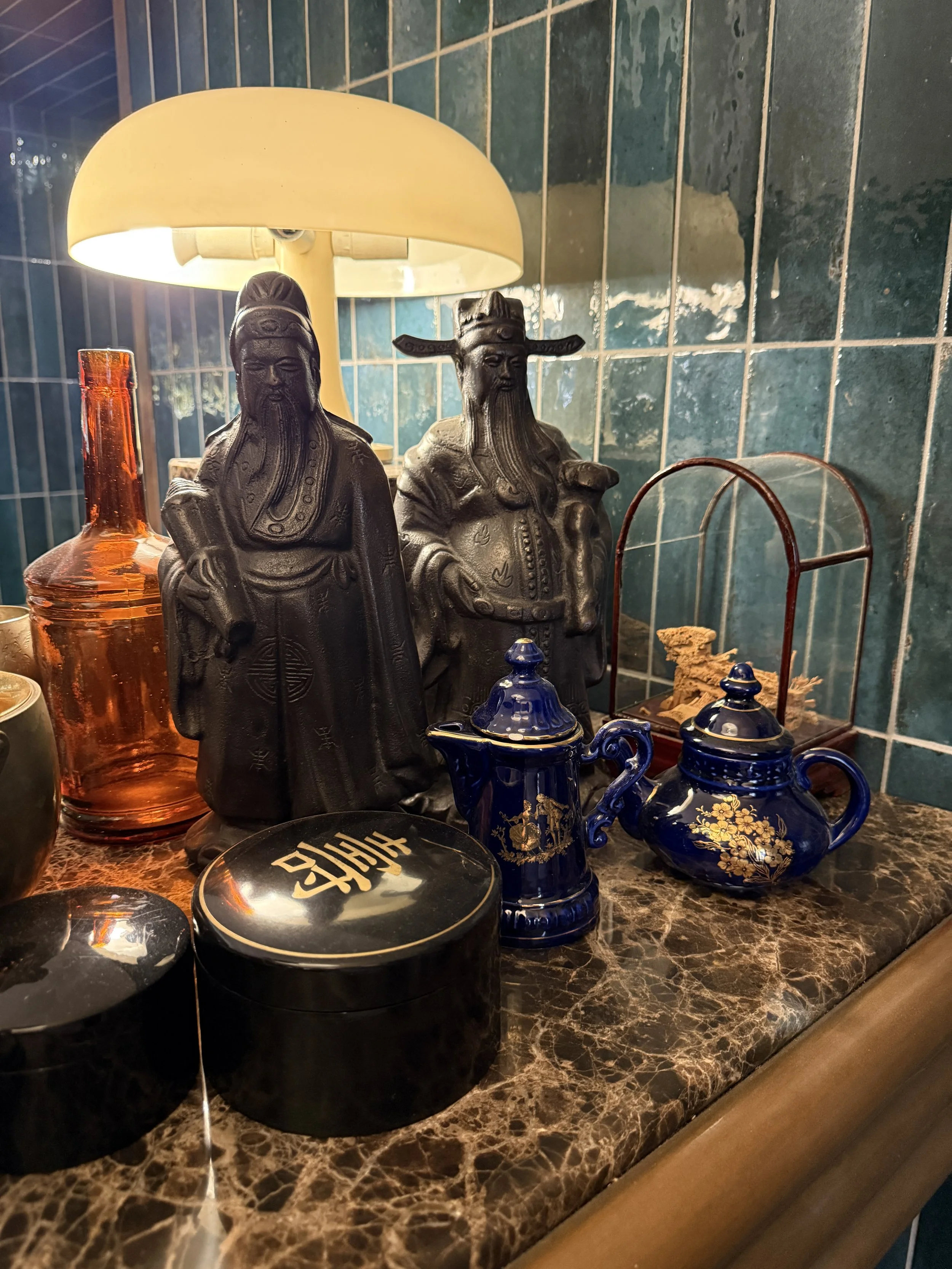
A Room for Imagining the World
The purpose of a cabinet of curiosities was, in some way, to represent the diversity of the world within a limited space.
It was almost like building a miniature universe.
Objects were often organized into different categories. Natural elements such as minerals, fossils, plants, and animals were known as naturalia. Objects created by human hands were classified as artificialia. Maps, mechanisms, and scientific instruments were considered scientifica. There were also objects from distant places, which inspired enormous fascination among European collectors.
However, the most intriguing pieces were often those that did not clearly belong to a single category.
A shell mounted on a metal base could be nature, art, and a decorative object all at once. A piece of coral could resemble a miniature architectural form. A fossil could appear almost abstract.
That combination was part of the magic.
It is also one of the reasons this idea continues to feel so close to me. I have always been drawn to things that cannot be defined in only one way: objects that can be seen as natural forms, sculptures, memories, or fragments of a story still waiting to be discovered.
When Collecting Became a Form of Prestige
During the sixteenth and seventeenth centuries, creating this kind of collection became popular among aristocrats, scholars, travelers, physicians, and merchants.
Owning objects that were difficult to find demonstrated wealth, knowledge, and access to distant places. But it also revealed the personality and interests of the person who had created the collection.
Some cabinets were organized and almost scientific. Others were exuberant, theatrical, and filled with mystery.
There was no single way to create them.
Each collection was different because every collector saw the world from a particular point of view.
For this reason, a cabinet of curiosities could also function as a kind of personal portrait. The objects chosen spoke of journeys, interests, discoveries, obsessions, and individual ways of understanding beauty.
I find this idea especially compelling: a collection does not speak only about the objects it contains, but also about the person who searched for them, selected them, and brought them together.
Every piece reveals something about the way we see.
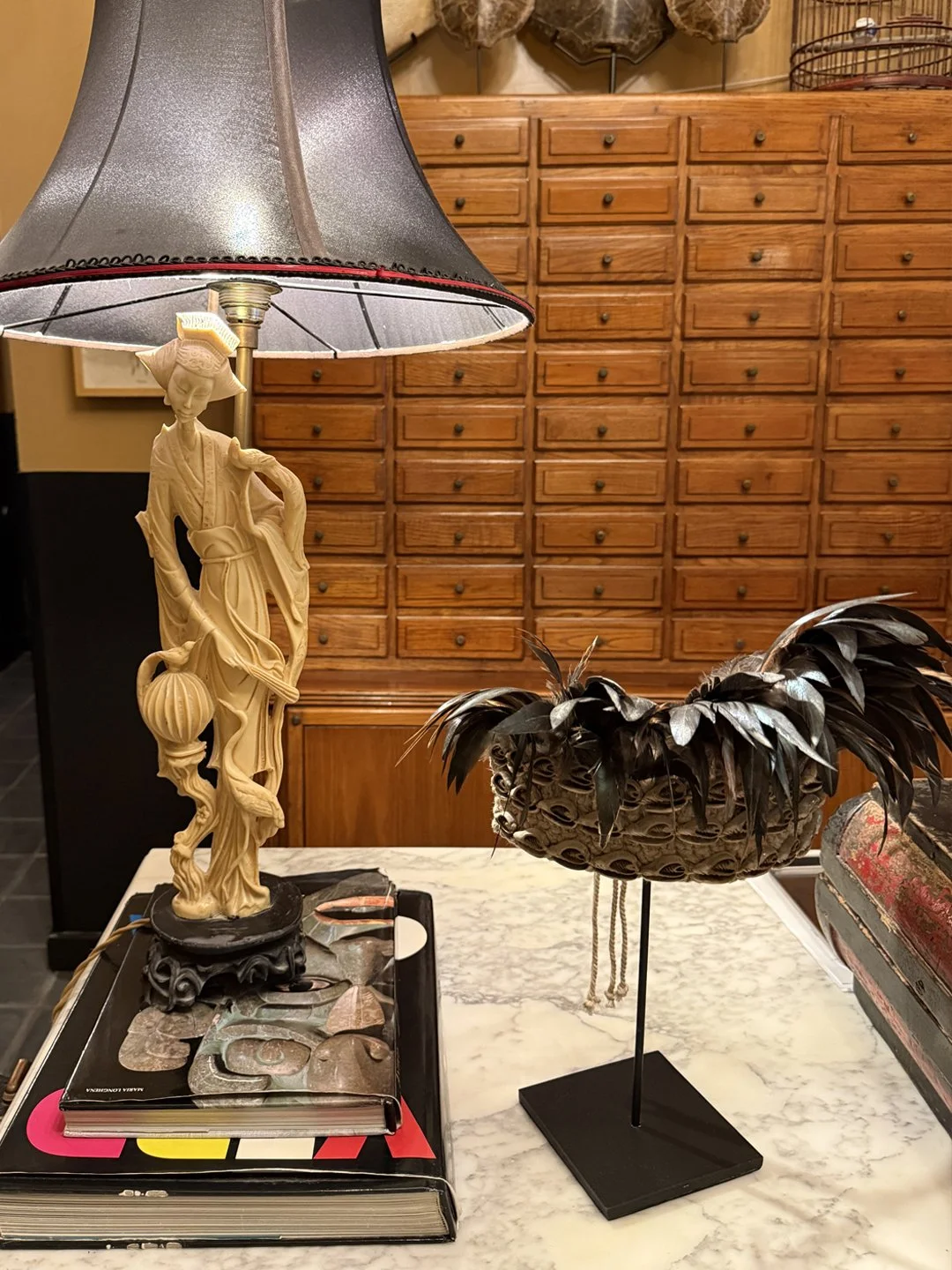
A Constant Source of Inspiration
For me, cabinets of curiosities are a constant source of inspiration.
Not only because of the objects themselves, but because of everything they represent: the search, the discovery, the possibility of finding beauty in something unexpected, and the freedom to bring together elements that seem to belong to entirely different worlds.
I am always observing.
During a journey, at a market, in an antique shop, inside a workshop, or even in an ordinary place, I may discover a shape, a material, or a texture that sparks an idea.
Often, I do not know exactly what I am looking for until I find it.
It might be a shell, a small sculpture, an antique box, a handcrafted piece, or an object whose original purpose I do not know. What attracts me is that first reaction: curiosity, the desire to move closer, touch it, study it, and imagine what it might become within a different context.
An object can become the starting point for an entire project.
A shape can suggest a color palette. A surface can inspire a selection of materials. A patina can define the atmosphere of a space. An unexpected piece can completely change the direction of a composition.
For this reason, the search is never separate from my work.
It is part of my creative process.
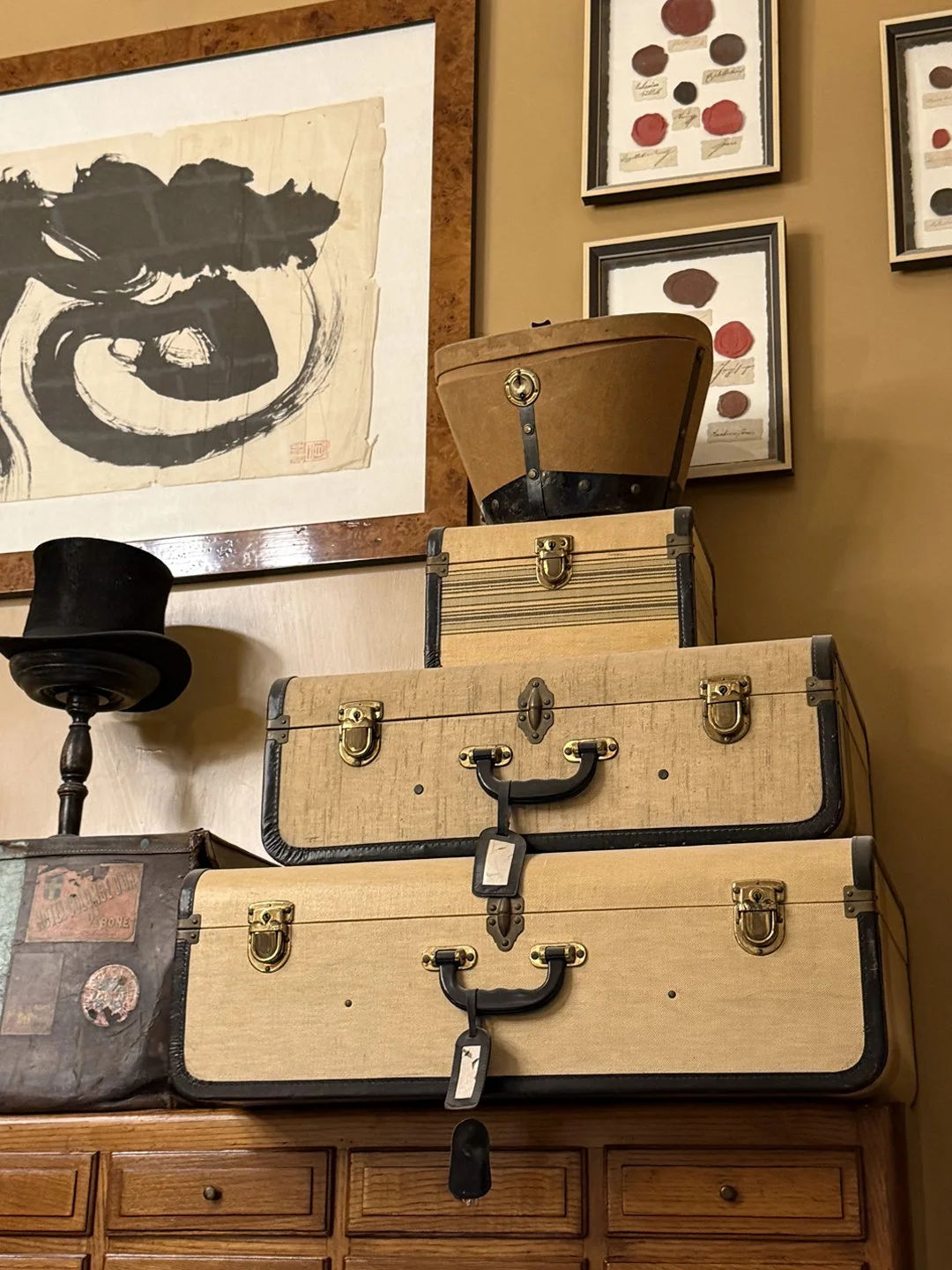
When Objects Begin to Speak to One Another'
Each piece retains its own identity, but its meaning changes when it is placed near other objects.
An antique piece beside a contemporary artwork can suddenly feel current. A natural form can bring softness to a more structured composition. A simple object can acquire a sculptural quality when it is removed from its usual context.
Connections may appear through shape, color, texture, or emotion.
A shell may echo the line of an abstract drawing. A sculpture may share the rough surface of a stone. An old suitcase may suggest travel and memory. A cage may introduce ideas of protection, fragility, confinement, or freedom.
The objects do not need to resemble one another in an obvious way.
Sometimes, the most interesting relationship is the one that is barely noticeable.
It may appear in a curve, a shadow, a repeated texture, or a feeling that is difficult to explain. These are quiet connections, but they are often what make a composition feel alive.
When objects begin to speak to one another, they stop being individual pieces placed inside a room. They begin to create an atmosphere and become part of a shared story.
Collecting Also Means Editing
Creating a cabinet of curiosities is not simply about accumulating objects.
It is about choosing.
Choosing which pieces should be placed together, which ones need space, and which elements help connect the composition as a whole.
Some objects have a strong presence and become the protagonists. Others work more quietly. They create balance, repeat a texture, or introduce a different scale.
Empty space is important too.
Leaving room around an object allows us to see it differently. A collection needs to breathe.
This is why creating a cabinet of curiosities has so much in common with interior design. Both involve proportion, materials, contrast, rhythm, and balance.
The composition does not need to be perfect or overly arranged.
It can be unusual, intuitive, and slightly unexpected.
What matters is that it awakens interest and invites us to move closer.
For me, editing a collection means listening to what each object needs. Some pieces ask to stand alone. Others come alive when placed beside something entirely different. Sometimes it is necessary to remove an object, move it, or wait until the right element appears to complete the conversation.
It is not about filling every space, but about finding the right balance between presence and silence.
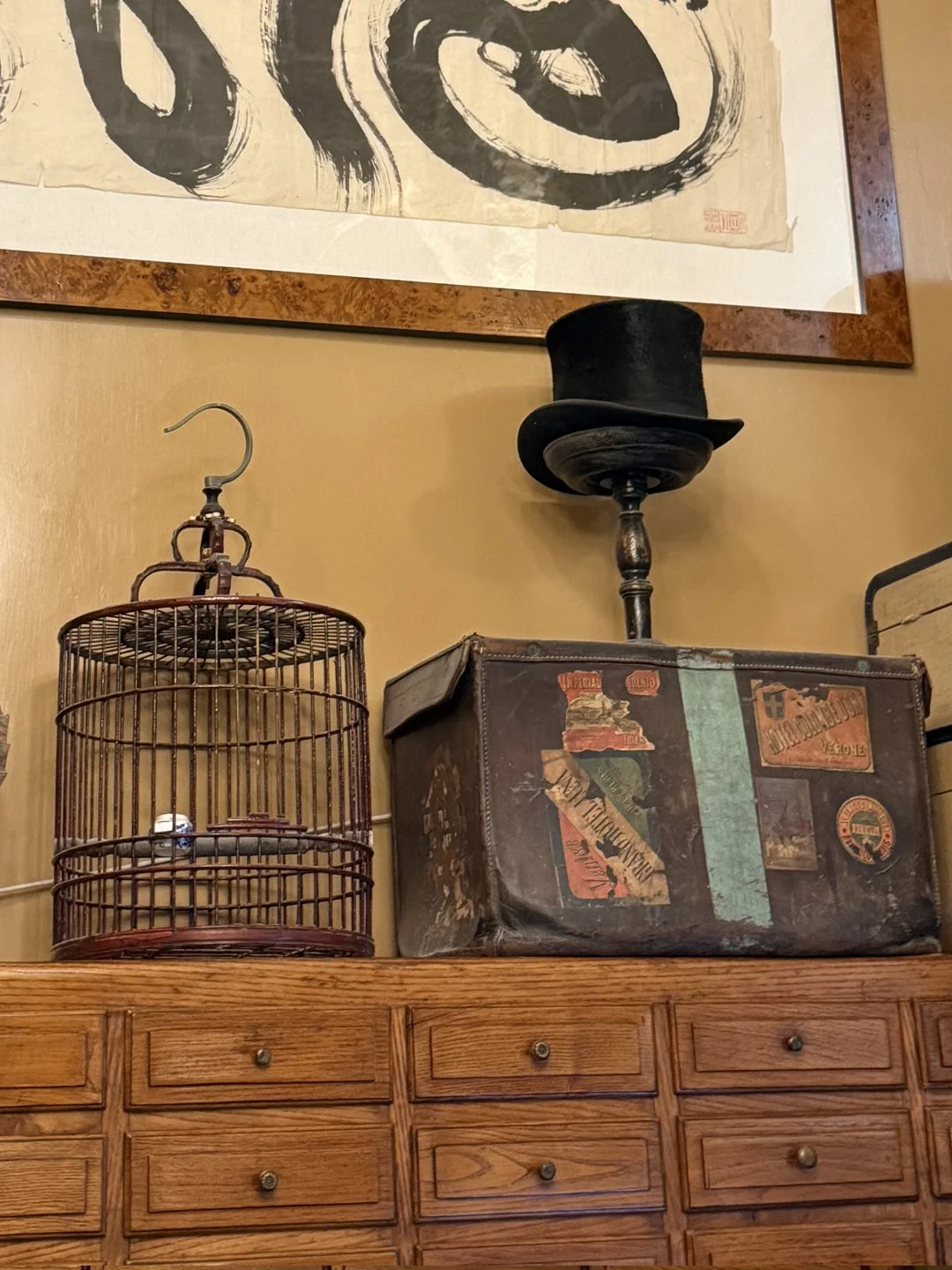
Creating a New World
For me, the true beauty of a Cabinet of Curiosities does not exist only within each individual object.
It exists in what happens when they all come together .
Pieces from different periods, materials, and places begin to form relationships. Some complement one another, others create contrast, and others introduce questions.
Together, they build an atmosphere that would not exist if each object remained isolated .
That is the universe that interests me most .
A world made of objects that preserve their own stories but acquire new meaning when they are brought together .
Perhaps that is why I never stop searching .
Because every object can become a source of inspiration. Every discovery can change the direction of a project. And every new composition can open the door to another reality .
At its heart, a cabinet of curiosities is a way of creating a personal world: a space where different periods, materials, memories, and intuitions can meet.
It is not only a collection .
It is a way of seeing, imagining, and creating connections between things that, before coming together, seemed to have nothing in common.
Cabinet of Curiosities: objects from different times, places, and worlds that, when brought together, create an entirely new one.
Location: Palazzo Presta, Italy
Prop Stylist: Palazzo Presta Team