The Torino Rush: A Crimson Dialogue in Italy’s First Capital
The Weight of the First Capital
When I arrived in Turin, I felt a dignity in the air that’s hard to find elsewhere. It’s a city that carries the quiet confidence of a leader. Between 1861 and 1865, this was the first capital of a unified Italy, and that sense of order and modern vision still radiates from every portico. Standing in Piazza Castello or looking up at the intricate ceilings of Palazzo Madama, I wasn't just looking at history; I was looking at a city that was designed to move a nation forward. For me, Turin is a reminder that structure and elegance aren't just for show—they are the foundation for big ideas.
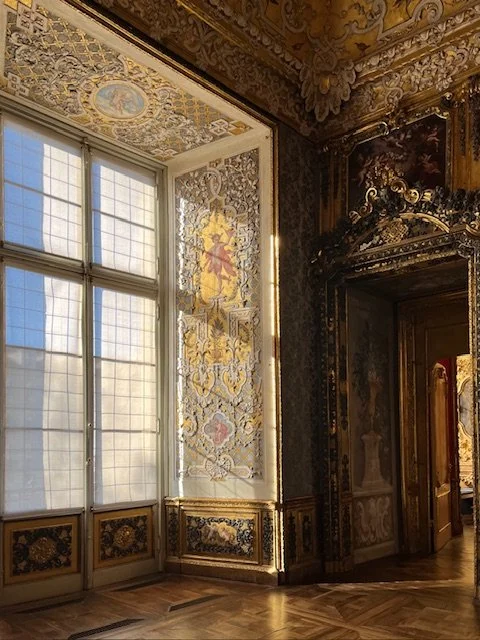
Palazzo Madama, Piazza Castello, Turin
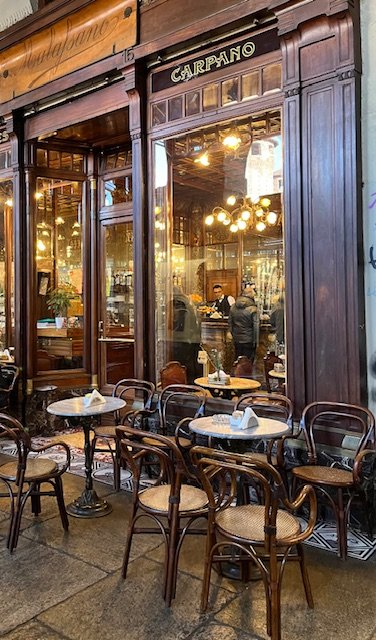
Caffè Mulassano,It is a small, elegant, and historic café known for its Art Nouveau decor, marble counters, and wood paneling.
Upward Ambition: The Lingotto Rhythm
One of my most honest "Aha!" moments happened when I encountered the spirit of FIAT. In Turin, design isn’t a stationary thing; it’s kinetic. I spent time thinking about the Lingotto factory, where cars were built floor by floor, literally rising through the building until they reached that legendary rooftop test track. Seeing that track circling the sky, I realized that this is what I want BONTARIA to feel like: an audacity to keep moving, to look upward, and to never settle for standing still. https://www.pinacoteca-agnelli.it/en/pista-500/
The Crimson Hour: Bitter Sips and Glowing Signs
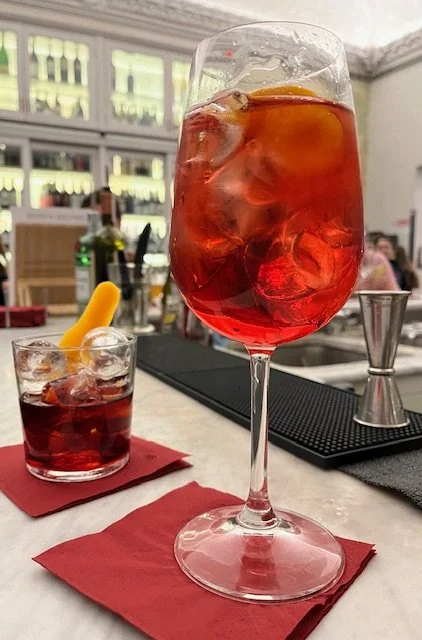
As the day fades, the city changes its skin. The earthy Burnt Sienna of the architecture—a shade that seems to ground the whole city—begins to glow under a different light. This is the hour of the aperitivo, a ritual that is as much a part of Turin’s DNA as the car industry.
I found myself drawn to the deep, herbal red of Campari and the glowing neon of the Martini signs. Sitting in a place like Caffè Mulassano, surrounded by dark wood and mirrors, you see the grit of the industrial city meet the glamour of the evening. To me, a Negroni here isn't just a drink; it's a designed experience—measured, intentional, and a bit bitter. It’s a pause that feels just as important as the motion of the cars on the roof.
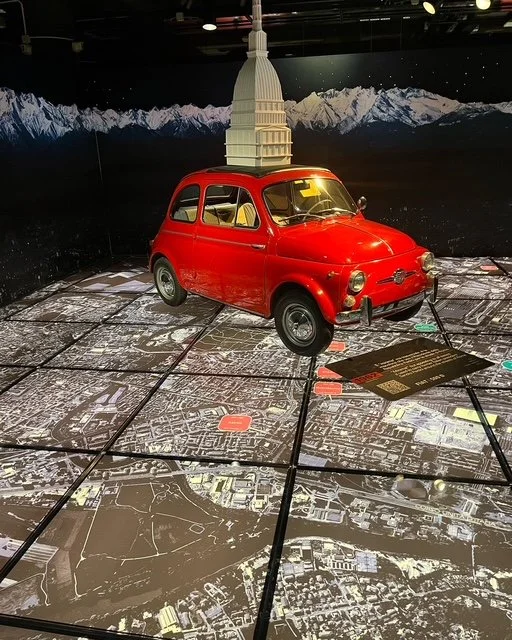
Museo Nazionale dell'Automobile https://www.museoauto.com/en/
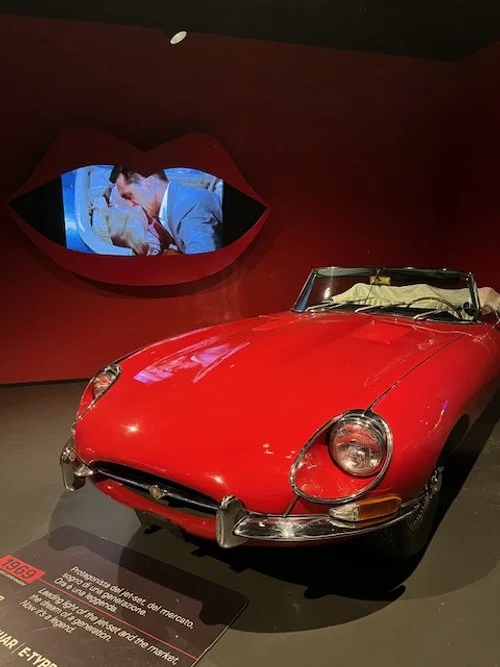
Museo Nazionale dell’Automobile
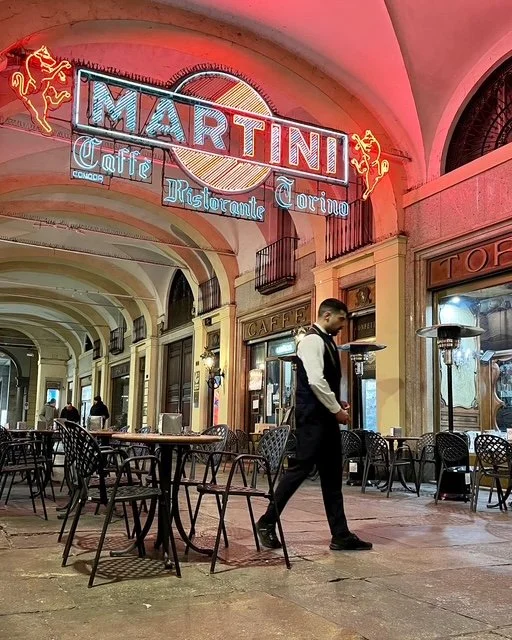
The image is of the historic Caffè Torino located in Turin, Italy. It is a renowned café and restaurant that has been a landmark in the city since the early 20th century.
Why I Create: The Art of the Conversation Piece
I don't share these stories just to talk about my travels. I share them because they are the "why" behind BONTARIA. I believe the objects we put on our tables should be more than functional; they should be conversation pieces.
They should carry the rhythm of a rooftop track, the history of a capital, and the vibrant red of a Turin sunset. When we sit down to eat or drink, we aren't just consuming; we are exchanging ideas and memories. That is the world I want to build—one where every piece on your table is a bridge to a story, a place, or a feeling of constant curiosity.
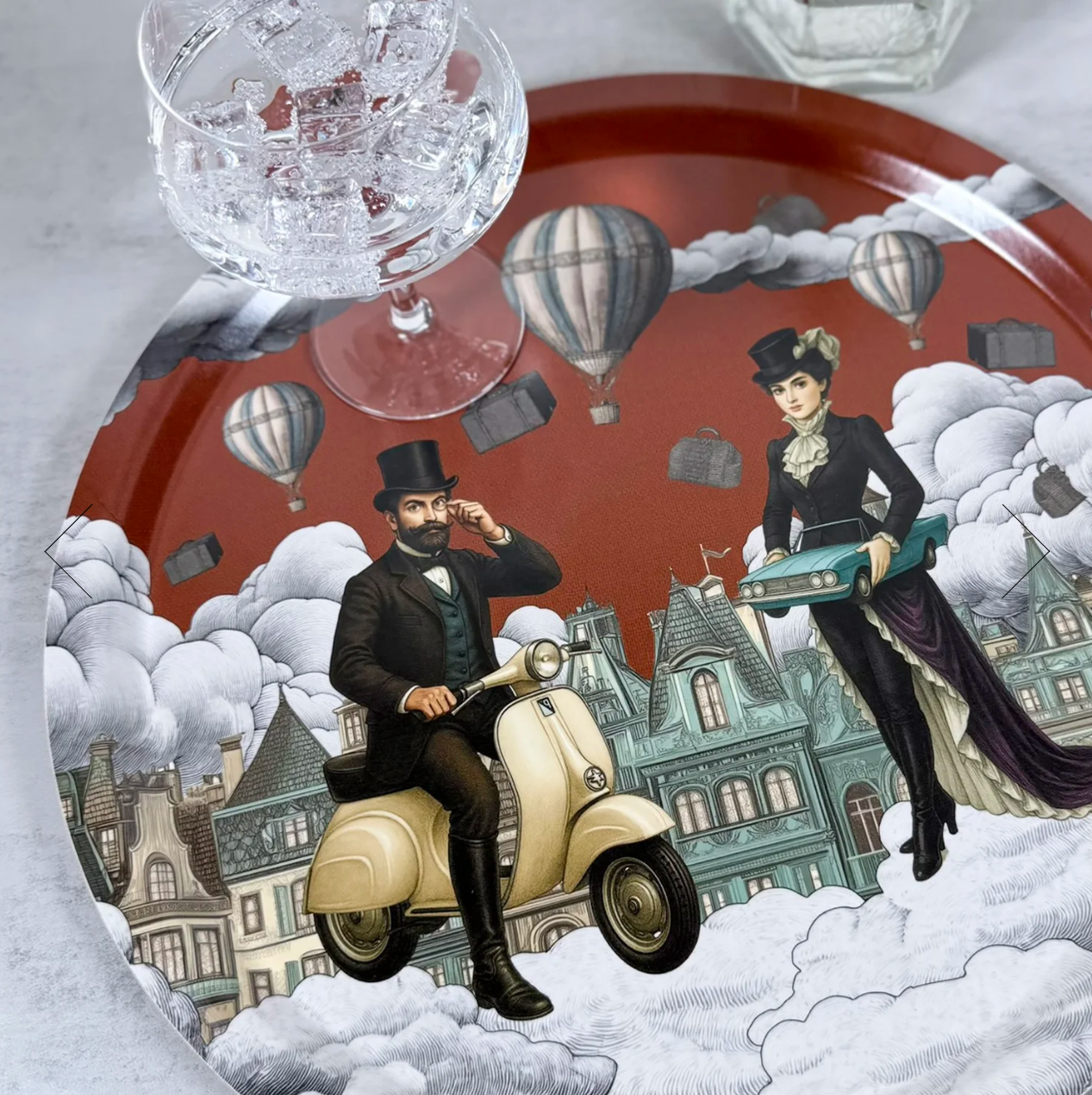
A piece of the red ritual, re-imagined.
For me, the best conversations are the ones that drive us somewhere new. This tray is a nod to the "crazy" beauty I found in Turin—a blend of speed, sienna, and spirits. Bring a touch of that Italian audacity home.
Step into the BONTARIA World.[Shop the "YOU DRIVE ME CRAZY" Tray and join the movement.]